Toronto Heating Repair: What to Check and Report When the Heat Stops
Only have 30 seconds?
- Read the thermostat’s current temperature, target temperature and selected mode.
- Check whether the problem affects one room, one zone or the whole home.
- Record any message displayed on the thermostat. Leave service settings and equipment panels alone.
- Use the Find an HVAC Specialist directory for the next step and confirm the provider works on your equipment.
Start with what changed
A cold room can be the first thing you notice in the morning. Before calling, look at the thermostat and compare what is happening now with how the home normally heats. The whole home may feel colder than usual, or one floor may lag while another is still comfortable. Write down that difference. A repair provider can use the pattern to decide what equipment and controls to ask about first.
Start with the last time you remember the heat working normally. If you came home at 6 p.m. and found the home cold, you know when you noticed the problem even if you do not know the exact time it started. Give the technician that distinction. If a power interruption, thermostat replacement, or recent service visit happened around the same time, include it as part of the timeline. The timing is useful information even when the events turn out to be unrelated.
If you have separate controls for different rooms or levels, note which control goes with the affected space. For example, “The upstairs thermostat reads 17°C and is set to 21°C, while the main floor still feels normal” is more useful than a guess about a specific component. If you live in a condo or rental and are unsure who controls the heat, ask management whether the issue is isolated to your unit or affects other spaces.
Use the thermostat as an observation point
Look at the screen and note whether it is on, blank, or displaying a message. If you can see both the room temperature and the target, record them with the time. Confirm the thermostat is in the usual heating mode. Check whether a normal schedule or hold setting explains the target you see. If you know how to change the temperature using the normal controls, one ordinary adjustment can help you see how the display responds. Leave installer and service menus alone.
A thermostat that says “heating” tells you what its display reports. It may not tell you whether a furnace, heat pump, boiler, or shared building system is actually providing heat. You can communicate both observations separately. “The screen shows a heating call, but the indoor reading has stayed at 17°C” gives the technician something specific to compare against the equipment when they arrive.
If the screen is blank, note that and whether other ordinary lights or devices are also without power. Check the utility or building’s outage notice from a safe place if available. A broader outage is useful to mention before arranging a visit. If your thermostat has a familiar user-replaceable battery, follow its user manual. If you are unsure how it is powered, leave it as it is and report the blank display.
Keep the equipment in its present state
A homeowner can sometimes hear the equipment start, stop, or stay quiet from an ordinary occupied area. Record what you can notice without removing any cover or standing near equipment you suspect is unsafe. For example, you might hear a familiar fan sound for a short time or notice that a thermostat message appears only occasionally. A time-stamped note or photo of the thermostat is enough to share.
Leave gas controls, electrical panels, wiring and service switches to the technician. Repeated attempts to restart equipment can change the conditions they need to observe. If someone has already tried restarting it, tell the technician what was done and what happened afterward. Do not repeat the attempt to demonstrate the failure. A short note about the earlier result is useful on its own.
Take a photo of a model label only if it is already visible and you can reach it safely without opening equipment. You may already have a model number in the owner’s manual, an invoice or a prior service report. Send what you can find. If you are unsure whether the system is a furnace, boiler, or heat pump, describe what delivers the heat, such as vents, radiators or wall-mounted units. The provider can use that description to ask the next question.
Handle alarms and possible gas leaks first
A carbon monoxide alarm changes the priority. Get everyone to fresh air immediately and call 911 from outside. Follow the instructions of responders before returning. Carbon monoxide can be present without a smell, so treat the alarm as a reason to leave.
If you smell natural gas or hear what sounds like escaping gas, leave immediately. Avoid operating electrical switches or using a phone while still in the affected area. Call the gas utility’s emergency line from a safe location. In an apartment or condo, notify building management from safety once the emergency call has been made. A routine appointment can be discussed later, once responders say the scene is safe.
The observations in this guide apply to a loss of heat without an active alarm or suspected gas leak. When you speak to a technician after an incident, relay what responders told you and whether the equipment was shut off or tagged. Leave those controls in their instructed state.
Describe the home and equipment in one call
For a Toronto heating repair enquiry, start with the address, the equipment type if known and the scope of the heat loss. For example, “We’re in a house near St. Clair West. The main floor and upper floor are both cold. Our thermostat is set to heat at 21°C and shows 17°C. We noticed it at 7 a.m. and haven’t opened or reset anything.” Add any display message, recent work and the best number to reach you.
If you live in a building with shared heating, ask management who should handle the problem. Unit controls and common equipment can belong to different parties. A contractor will need to know whether they are authorized to access the equipment and whether a building representative needs to meet them. If another unit has the same problem, share that information when you contact management.
A photograph of an accessible thermostat display can be helpful if the message is difficult to describe. Include the time the picture was taken. If the message changes, record that as a separate observation. Avoid sending account information or other private details that are unrelated to the service request.
Confirm the visit terms and building access
Ask what the initial visit includes and how the provider charges for diagnosis. Check whether a quoted amount covers travel, a first assessment, or specific work. If parts may be needed, ask how the technician will explain the findings and get your approval before proceeding. A provider may need to inspect the system before estimating the repair. Understanding what you are authorizing at each step makes the visit easier to manage.
Confirm the arrival window, the address the provider will use, and who will let the technician in. For a condo, tell them whether visitor registration or access through management is required. For a house with equipment reached through a shared or separate door, explain who will be available to open it. Clear an ordinary walkway if you can do that safely and keep the area around the equipment accessible.
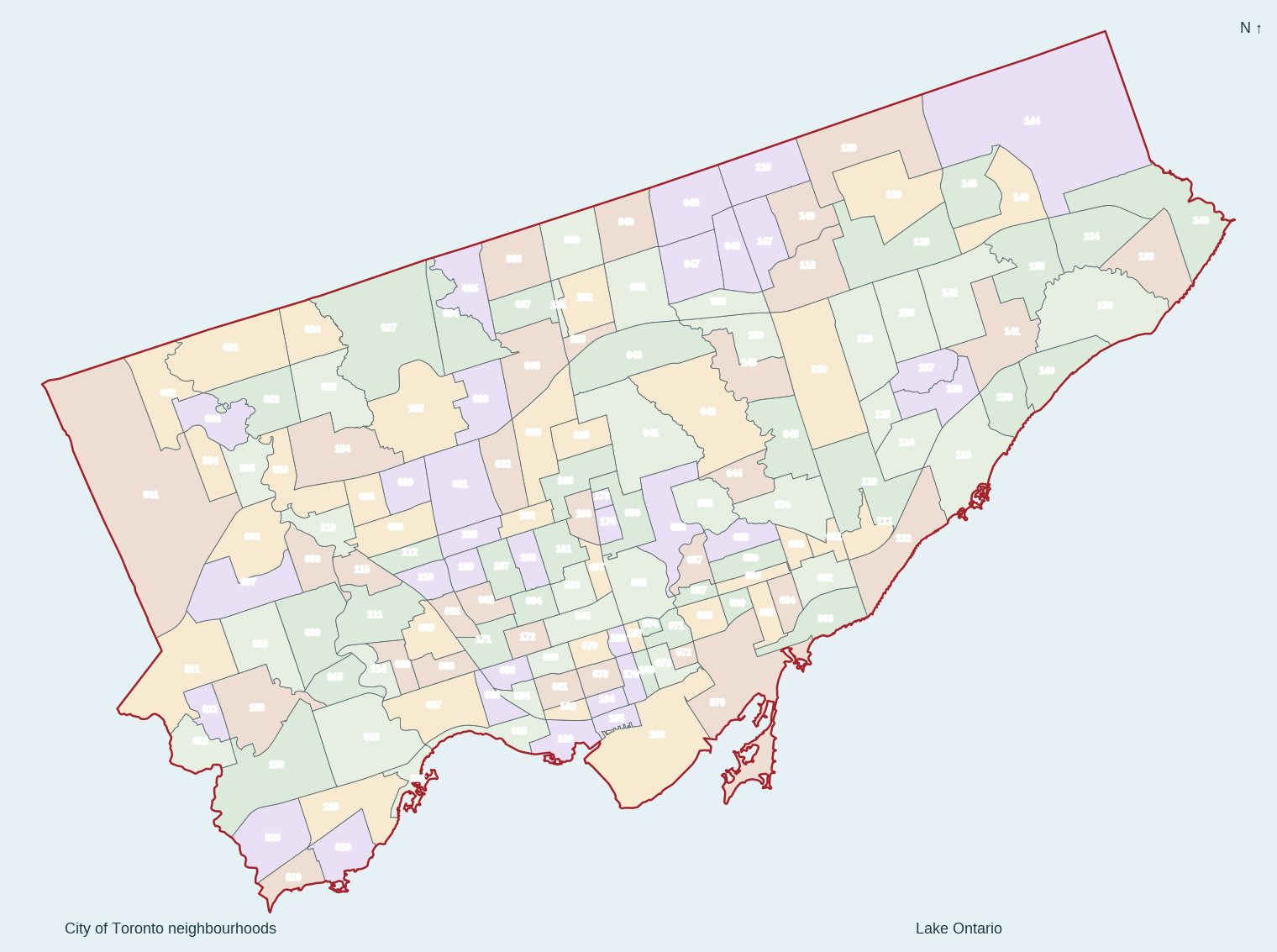
- Neighbourhood and address: Use the Toronto neighbourhood map and index to identify the area and confirm service for your actual street address.
- Parking and loading: Share the building’s designated visitor arrangements or legal loading point, if available.
- Accessibility: Mention stairs, narrow doorways or an elevator booking if they affect the visit.
- Site contact: Give the provider one reliable person to reach when the technician arrives or if access changes.
Ask what the technician confirmed
After the assessment, ask the technician to explain what they observed, what work they recommend, and whether the issue can be addressed during the visit. If more than one repair option is offered, ask what each addresses and what remains unresolved. If a part is ordered, confirm who will follow up, what you can expect in the meantime and what the technician wants you to do with the equipment.
If the repair is completed, ask how they verified that heating resumed. A technician may be able to show the thermostat calling for heat and explain what a normal next cycle should look or sound like for your equipment. Ask what to record if the problem returns. Keep the invoice and a short note of the original symptoms so you have the same information available if you need to call back.
An example of a useful service note
A homeowner notices the temperature drop during breakfast. The thermostat is in heat mode and displays a lower room temperature than its target. The main floor and upper level both feel colder than usual, and the building has power. The homeowner photographs the thermostat, writes down the time and leaves the equipment closed. When the provider asks what happened, the homeowner can distinguish the observed temperature and timing from any theory about the cause.
Someone in a condo might take a different next step with the same observations. If management has issued a building-wide notice, the resident can report the unit’s temperature and ask for an update through the building. If management confirms there is no broader issue and directs the resident to arrange service, the resident can pass on that information and explain how a technician can reach the unit. In either case, a clear timeline, the thermostat reading and a confirmed address help the right person deal with the loss of heat.
If the heat returns before the visit
Tell the booking contact that the symptom has changed and give the time the heat returned. Ask whether they still want to inspect the system, especially if the loss has happened more than once. Save any earlier photos or notes so the technician can compare a normal cycle with what you observed during the interruption. If another room is still cold, note that separately. A temporary recovery is part of the history the technician needs, even when the original symptom is absent by the time they get there.