At a Glance
Winter readiness combines the equipment manual, a suitable filter, clear airflow paths and a professional maintenance visit. For a fuel-burning furnace, arrange inspection through a TSSA-registered contractor using an appropriately certified technician. Prepare the model details and any symptoms before booking.
How to Know If Your Furnace Is Ready for Winter
Only have 30 seconds?
- Find the equipment model and last maintenance record.
- Check the filter instructions and keep supply and return grilles unobstructed.
- Ask what the maintenance visit includes and request written findings.
- Use the Toronto HVAC guide to organize your enquiry.
Start with the system you actually have
A detached home's forced-air furnace and a condo fan-coil are different systems. Find the model label or existing service record without opening service-only panels. If you are in a condo, ask management which parts are your responsibility and which belong to the building.
Keep a photo of the model information and the last service invoice ready. These details help a contractor determine whether they service the equipment and what preparation is needed.
Check the filter against the manual
Use the size, type and replacement guidance specified for your equipment. Follow the manufacturer's shutdown and access instructions before an owner-permitted filter change. If you are unsure how to reach or fit the filter, ask the technician.
Do not assume a higher filter rating is automatically suitable. Ask about compatibility and airflow before changing the specification. A normal filter change is separate from professional inspection of the furnace.
Keep the airflow path clear
Look for furniture, rugs or stored items blocking accessible supply and return grilles. Keep the area around equipment clear according to the manual. Do not modify ducts, add extra vent filters or block openings as an improvised winter adjustment.
If some rooms are repeatedly cold, describe which rooms and when the problem appears. The contractor can assess whether controls, airflow or another issue deserves attention rather than assuming the furnace needs replacement.
Book a defined maintenance visit
TSSA encourages annual inspection of fuel-burning appliances. Ask for the contractor's registration details and the technician's relevant certification. Clarify the visit's scope, total price, access requirements and what written report you will receive.
The Toronto HVAC maintenance guide helps organize that discussion. Mention unusual operation or a recurring shutdown when booking so the business can distinguish maintenance from a repair enquiry.
Know when to stop ordinary checks
If you smell gas or a carbon monoxide alarm sounds, leave the building and contact emergency services or the gas utility from a safe location. Do not continue troubleshooting or restart the equipment. Follow the responding service's instructions.
For an ordinary no-heat problem without an emergency warning, describe what you observe to the contractor. Do not bypass safety controls, adjust fuel components or repeatedly reset a faulting system.
Where: service at your Toronto address
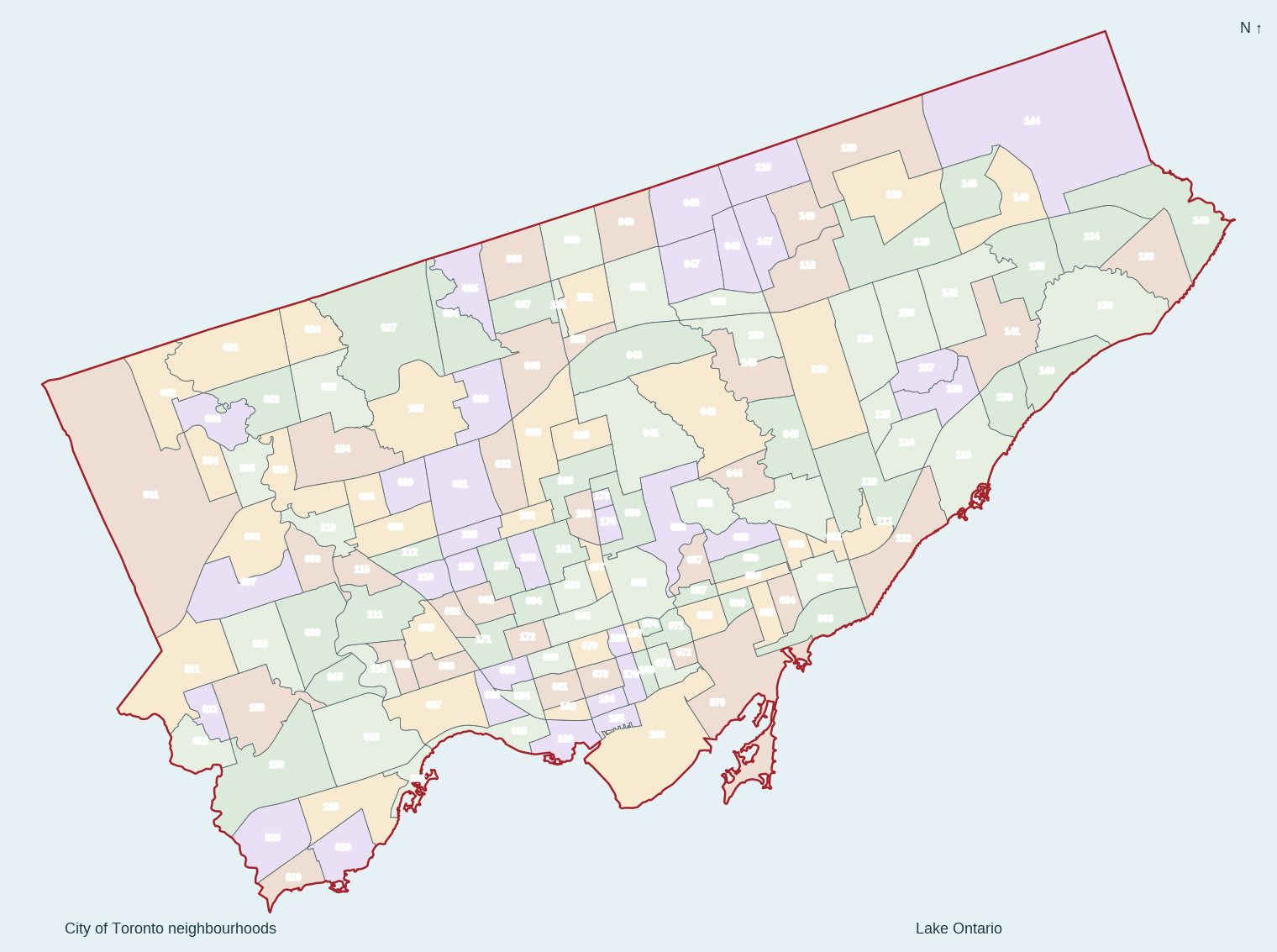
The map outlines Toronto and numbers its neighbourhoods. Send the full street address and postal code, plus the property type. M4, M5, M6 and M9 postal areas include different parts of Toronto; those prefixes alone do not establish a contractor's service boundary.
- Building access: Explain stairs, elevators and the route to the equipment.
- Parking and unloading: Confirm legal visitor parking, permits or loading arrangements.
- Condo coordination: Check concierge procedures, management approval and any required equipment-room access.
- Timing: Agree on an arrival window and identify who can admit the technician.
A useful booking message
“I would like a winter maintenance visit at [address]. The system is [type and model], last serviced on [date]. I have noticed [observation]. Please confirm your registration, visit scope, total price, availability and access requirements.”
Save the report and any recommendations with the equipment details. Ask which findings need action now and which can be planned for a later visit.
References reviewed November 17, 2026: TSSA, “Protect Yourself from Fuels Scams” and Winter Wise guidance; Enbridge Gas, natural gas appliance maintenance checklist. Follow the equipment manufacturer's instructions.